Embracing the Romantic Charm of Rosie: A Deep Dive into Vintage-Inspired Typography
In a digital landscape often dominated by sleek minimalism and stark sans-serif grids, there is a growing appetite for warmth, texture, and nostalgia. Designers and creatives are increasingly turning to typefaces that tell a story before a single word is read. Enter Rosie, a font that captures the delicate artistry of vintage embroidery while offering a modern usability that fits seamlessly into contemporary design workflows. It is not merely a collection of characters; it is an aesthetic choice that infuses projects with a sense of timeless elegance and feminine grace.
The Anatomy of Elegance: What Makes Rosie Unique?
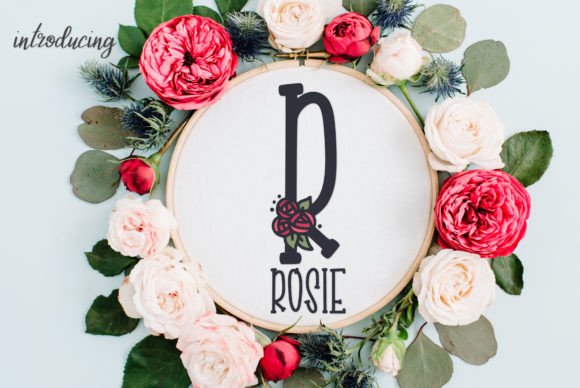
At first glance, Rosie presents itself as a refined serif typeface, but closer inspection reveals its true inspiration. The font is heavily influenced by the intricate patterns found in traditional needlework and lace-making from the late 19th and early 20th centuries. This heritage is most visible in the subtle flourishes that adorn certain uppercase letters. These are not random decorations; they are carefully crafted rose accents that add a layer of whimsy without compromising readability.
The balance between whimsical and refined is where Rosie truly shines. Many decorative fonts struggle with this distinction, often veering too far into clutter or becoming difficult to read at smaller sizes. Rosie avoids this pitfall by maintaining clean line weights and generous spacing. The rose accents are integrated so naturally that they feel like organic extensions of the letterforms rather than added-on stickers. This results in a typeface that feels hand-crafted yet professionally polished.
- Vintage Inspiration: Directly inspired by historical embroidery patterns.
- Delicate Accents: Subtle rose details on select uppercase characters.
- Balanced Weight: Clean lines ensure legibility across various media.
- Feminine Appeal: A soft, romantic character set ideal for specific niches.
Ideal Applications: Where Rosie Fits Best
Understanding the best use cases for a specialized font like Rosie is crucial for maximizing its impact. Because it carries such a strong stylistic identity, it works best when applied to contexts that align with its romantic and floral nature. It is not a one-size-fits-all solution, but rather a powerful tool for specific scenarios.
Wedding Stationery and Invitations
The wedding industry is perhaps the most natural home for Rosie. Couples today are moving away from generic templates in favor of bespoke designs that reflect their personal style. Rosie provides an instant mood board for a wedding theme. Imagine a save-the-date card featuring the name "Emily" with the elegant rose accent on the 'E', paired with soft watercolor backgrounds and gold foil stamping. The font does the heavy lifting of setting the tone, allowing other design elements to complement rather than compete.
For bridal showers, engagement announcements, and even thank-you notes, Rosie adds a touch of sophistication that feels personal and heartfelt. It bridges the gap between formal invitation etiquette and modern, approachable design.
Feminine Branding and Lifestyle Businesses
Brands in the beauty, wellness, fashion, and artisanal food sectors often seek to convey trust, care, and luxury. Rosie serves as an excellent primary display font for these industries. Consider a boutique skincare brand named "Rose & Petal." Using Rosie for the logo and key marketing headers immediately communicates natural ingredients and gentle care. It suggests a product that is crafted with attention to detail, much like the font itself.
However, branding requires versatility. While Rosie is perfect for headlines, logos, and packaging labels, it should be paired with a neutral, highly readable sans-serif or simple serif for body copy. This contrast ensures that important information—such as ingredient lists, pricing, or detailed descriptions—remains accessible to the consumer.
Crafting and Personalized Gifts
The rise of the maker movement and platforms like Etsy has created a huge demand for unique, printable, and cuttable fonts. Rosie is particularly popular among crafters who use vinyl cutters (like Cricut or Silhouette) to create custom decor, mugs, and t-shirts. The clear outlines and distinct shapes of the letters make them easy to cut, while the rose accents add a premium look to handmade gifts.
Scenarios here range from personalized nursery wall art to custom tote bags for yoga instructors. The font’s ability to evoke emotion makes it a favorite for gift-giving occasions such as Mother’s Day, Valentine’s Day, and birthdays.
Practical Considerations for Designers
While Rosie is visually stunning, adopting it into a professional workflow requires some strategic planning. Here are key factors to consider before integrating this font into your next project.
Readability and Hierarchy
As mentioned, Rosie is a display font. Its strength lies in its visual impact at larger sizes. Using it for long paragraphs of text can fatigue the reader due to the decorative elements. To maintain a professional look, establish a clear typographic hierarchy. Use Rosie for titles, subheadings, and short phrases. Pair it with a clean, understated font for body text. This combination allows the romance of Rosie to stand out while ensuring the content remains easy to digest.
Color and Background Contrast
The delicate nature of Rosie means it can get lost against busy or dark backgrounds. To highlight the rose accents and fine lines, pair the font with light, airy color palettes. Soft pastels, creams, blush pinks, and sage greens work beautifully. If using darker backgrounds, ensure the font color is high-contrast, such as white or metallic gold/silver, to preserve the integrity of the design.
Licensing and Usage Rights
Before downloading or purchasing Rosie, always review the licensing agreement. Fonts are intellectual property, and usage rights vary depending on whether you are using the font for personal projects or commercial ventures. Some licenses allow unlimited commercial use, while others may require separate licenses for web embedding, app development, or merchandise production. Ensuring you have the correct license protects your business from legal issues and supports the type designer.
Why Choose Rosie Over Other Decorative Fonts?
The market is saturated with script and decorative fonts, so why does Rosie stand out? The answer lies in its restraint. Many similar fonts overdo the decoration, making them feel dated or overly sentimental. Rosie strikes a modern chord by keeping the embellishments subtle. It respects the viewer’s eye, adding charm without demanding excessive attention.
Furthermore, its versatility within its niche is impressive. Whether you are designing a high-end luxury invitation suite or a casual Instagram graphic for a small business, Rosie adapts well to different scales and mediums. It brings a cohesive, curated feel to any project, signaling to the audience that care and thought have gone into the design.
Conclusion
Incorporating Rosie into your design toolkit is about more than just picking a pretty font; it is about embracing a narrative of elegance, history, and femininity. By understanding its strengths and applying it strategically, designers and creators can produce work that resonates emotionally with their audience. Whether you are crafting the perfect wedding invite or building a brand identity for a boutique shop, Rosie offers a charming and reliable way to add a floral touch to your creative vision. In a world that often feels fast and impersonal, fonts like Rosie remind us of the beauty found in slow, deliberate craftsmanship.