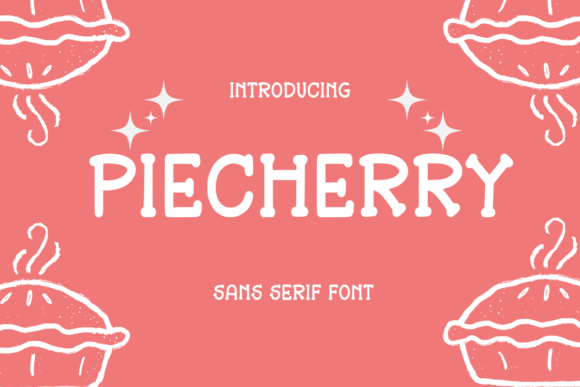
Pie Cherry: A Strategic Approach to Functional Typography for Creative Projects
In the landscape of digital and print design, typography is rarely just about aesthetics; it is a functional tool that dictates readability, tone, and user engagement. For creators, entrepreneurs, and professionals seeking a typeface that balances approachability with structural clarity, Pie Cherry emerges as a compelling option. As a fun sans serif font, Pie Cherry offers more than mere visual appeal—it provides a versatile foundation for projects ranging from internal business communications to high-volume consumer goods like KDP interiors and apparel.
This analysis explores the strategic utility of Pie Cherry, examining how its specific characteristics can support goals in planning, branding, and creative execution. By understanding where this font excels and where it may fall short, decision-makers can make informed choices that enhance communication rather than hinder it.
Defining the Utility of Pie Cherry
Pie Cherry is categorized as a sans serif typeface with a distinct personality. Unlike rigid, corporate grotesques or overly ornate display fonts, Pie Cherry occupies a middle ground. It is designed to be "fun," which in design terminology often translates to approachable, friendly, and engaging without sacrificing legibility. This balance makes it particularly suitable for contexts where the goal is to reduce cognitive load while maintaining a human touch.
For small business owners and freelancers, the choice of font is a micro-decision that impacts brand perception. Pie Cherry’s clean lines and open counters (the negative space inside letters) contribute to high readability, even at smaller sizes. This makes it an excellent candidate for:
- Memos and Internal Notes: When communicating with teams, clarity is paramount. Pie Cherry offers a casual yet professional tone that can soften the delivery of operational updates.
- Journals and Planners: The structure of Pie Cherry supports daily organization. Its consistent weight and spacing help users scan information quickly, a critical feature for productivity tools.
- KDP Interiors: For authors publishing on platforms like Amazon Kindle Direct Publishing, interior formatting affects reader retention. Pie Cherry’s readability makes it a viable option for journals, logbooks, and low-content books where text density must be managed carefully.
Strategic Applications in Seasonal and Thematic Design
One of the most significant value propositions of Pie Cherry is its adaptability to thematic campaigns. In marketing, seasonal relevance drives engagement. Fonts that evoke specific cultural moments can increase the perceived effort and care put into a design, thereby enhancing customer experience.
Holiday and Event-Specific Positioning
Pie Cherry has demonstrated versatility across various holidays and observances. Its rounded, soft edges allow it to fit seamlessly into designs for Christmas, Halloween, Thanksgiving, and even Buddhist celebrations. The key to leveraging this font effectively lies in pairing it with appropriate color palettes and graphic elements rather than relying on the typeface alone to convey the theme.
For example, during the fall season, using Pie Cherry for "funky" or retro-themed posters can create a nostalgic yet modern feel. Similarly, for laser-cut projects or tumbler wraps, the font’s clean outlines ensure that intricate cuts remain readable and visually balanced. This is not merely a stylistic choice but a practical one: complex graphics paired with overly decorative fonts can become illegible when scaled down or physically cut.
Niche Market Alignment
Certain niches benefit specifically from the personality of Pie Cherry. Consider the following use cases:
- Sports and Recreation: For basketball-themed merchandise or zodiac-inspired designs, the font’s energetic yet structured nature aligns well with dynamic imagery. It suggests movement without chaos.
- Wellness and Spirituality: In tarot card design or mindfulness apps, Pie Cherry can provide a grounding element. It avoids the heaviness of serif fonts while remaining serious enough for spiritual content.
- Fashion and Apparel: On t-shirts and mockups, Pie Cherry stands out because it does not compete with graphic illustrations. It serves as a clear vehicle for quotes and slogans, ensuring the message is delivered instantly.
Decision-Making Criteria: When to Use Pie Cherry
Selecting a typeface requires aligning visual attributes with project objectives. Before committing to Pie Cherry for a long-term branding asset or a large-scale print run, consider the following strategic factors.
Readability vs. Display Impact
Pie Cherry is optimized for body text and mid-size headings. It is less suited for massive display headlines where extreme contrast or unique letterforms are required. If your goal is to create a logo that relies on typographic uniqueness, Pie Cherry may lack the distinctiveness needed for trademark protection or immediate brand recognition. However, for secondary text, labels, and instructional content, its readability is a significant advantage.
Tone Consistency
The "fun" aspect of Pie Cherry implies a casual tone. Using it for formal legal documents, academic papers, or high-stakes financial reports would likely undermine credibility. Conversely, using it for children’s educational materials, hobbyist workshops, or creative agency portfolios reinforces a brand identity that values accessibility and creativity. Ensure that the font’s personality matches the voice of your communication.
Technical Constraints
For physical production methods such as laser cutting, vinyl wrapping, or screen printing, font complexity matters. Pie Cherry’s sans serif design minimizes ink bleed and cutting errors compared to scripts or heavy serifs. When designing seamless patterns or mini-calendars, the uniformity of Pie Cherry ensures that repeated elements look cohesive. Always test renderings at actual size before finalizing designs for production.
Risks and Mitigation Strategies
No tool is without limitations. Relying on Pie Cherry without clear goals can lead to several common pitfalls.
Overuse and Brand Dilution
Because Pie Cherry is versatile, there is a temptation to use it everywhere. Overusing a single font across all brand touchpoints can lead to visual monotony. To mitigate this, establish a hierarchy. Use Pie Cherry for primary informational text and pair it with a complementary serif or a more geometric sans serif for headers or accents. This creates visual interest and guides the reader’s eye through the content.
Lack of Distinctiveness
As a popular style of "fun" sans serif, Pie Cherry may share similarities with other widely available fonts. If differentiation is a core business strategy, consider customizing the font—adjusting kerning, adding ligatures, or combining it with unique hand-drawn elements—to create a proprietary look. This adds value by transforming a generic tool into a bespoke asset.
Inappropriate Contextual Fit
Using Pie Cherry in contexts requiring authority or tradition can confuse audiences. For instance, a law firm or a heritage luxury brand might find Pie Cherry too informal. In such cases, the risk is not just aesthetic but reputational. Always conduct audience testing or A/B testing when introducing new typographic voices to established markets.
Practical Tips for Implementation
To maximize the effectiveness of Pie Cherry in your projects, adopt these practical strategies:
- Pairing Strategy: Combine Pie Cherry with a neutral, highly legible font for detailed text. This allows Pie Cherry to shine in headings without compromising overall readability.
- Whitespace Management: Due to its friendly nature, Pie Cherry benefits from generous line height and margin spacing. Crowding the text diminishes its approachable quality.
- Color Psychology: Leverage color to adjust the tone. Warm colors can enhance the "fall" or "thanksgiving" vibes, while cool tones can make it suitable for tech or wellness applications.
- Scalability Testing: Test the font at various sizes, especially for small print items like tags, stickers, and mini-calendars. Ensure that details remain crisp and legible.
Long-Term Value and Conclusion
Pie Cherry represents a pragmatic choice for creators who need a reliable, adaptable, and engaging typeface. Its strength lies in its ability to facilitate communication without demanding excessive attention. For entrepreneurs and designers focused on efficiency and clarity, Pie Cherry supports workflows in planning, content creation, and product development.
By approaching Pie Cherry with intentionality—understanding its strengths in readability and thematic flexibility, while respecting its limitations in formality and distinctiveness—professionals can leverage it to achieve better results. Whether used for a Christmas card series, a daily planner, or a t-shirt collection, Pie Cherry serves as a functional partner in the design process, helping to bridge the gap between creative expression and clear communication.
Ultimately, the best typography is invisible to the reader but felt in the experience. Pie Cherry achieves this by providing a stable, pleasant foundation upon which ideas can be built, ensuring that the focus remains on the message, not the medium.