Elevating Holiday Decor with the Christmas Modern Cross Stitch Pattern: A Deep Dive into Advanced Embroidery Techniques
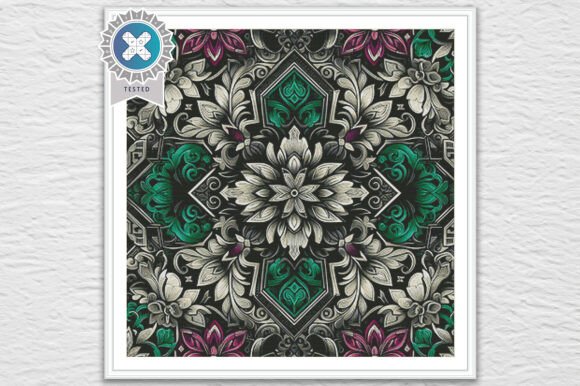
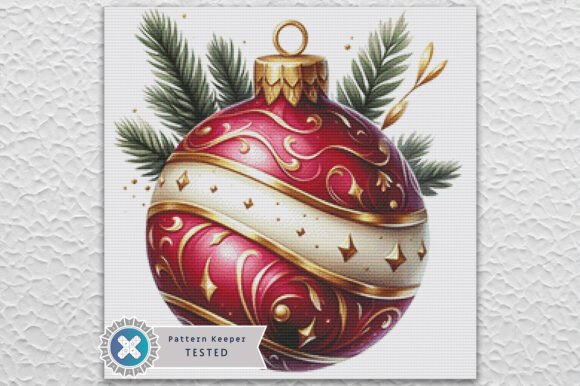
The intersection of traditional handcraft and contemporary design has given rise to a sophisticated niche within the fiber arts community. Among the most compelling entries in this space is the Christmas Modern Cross Stitch Pattern, a project specifically engineered for advanced stitchers who seek more than just a festive decoration. This pattern, paired with its companion piece, the Full Coverage Cross Stitch Pattern, represents a significant leap in complexity and aesthetic ambition. For professionals, educators, and serious hobbyists, understanding the nuances of such high-count, multi-thread projects is essential for mastering modern embroidery workflows.
This article explores the technical specifications, material requirements, and practical applications of this extensive stitching endeavor. By examining the scale, color palette, and digital tools provided, we can appreciate how this project serves as both a creative outlet and a testament to the evolving nature of cross-stitch artistry.
Understanding the Scale and Complexity
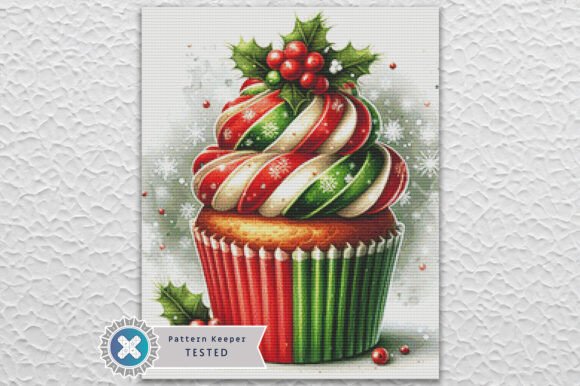
At first glance, the dimensions of the Christmas Modern Cross Stitch Pattern may seem daunting, but they are precisely what define its status as an advanced project. The design size spans 250 stitches wide by 250 stitches high. While this might appear manageable on small charts, the finished physical dimensions reveal the true magnitude of the undertaking. On 14-count fabric, the piece measures approximately 17.9 inches by 17.9 inches (45.4 cm x 45.4 cm). This substantial surface area allows for intricate detailing that simply cannot be achieved on smaller, beginner-friendly charts.
The decision to offer finished dimensions across multiple fabric counts—14, 16, 18, and even 25 count—demonstrates a thoughtful approach to accessibility without compromising the integrity of the design. However, it is crucial to note that this pattern is recommended for those with cross-stitch experience. The density of the work, particularly when utilizing higher thread counts like 25-count fabric where the finished size reduces to a precise 10 inches by 10 inches (25.4 cm), requires a steady hand and keen eye for detail.
- 14 Count: Offers a balanced finish at nearly 18 inches square, ideal for large wall hangings or statement pieces.
- 16 Count: Provides a slightly tighter weave at 15.7 inches square, enhancing detail resolution.
- 18 Count: A popular choice for finer work, resulting in a 13.9-inch square finished piece.
- 25 Count: Designed for ultra-fine detail enthusiasts, yielding a compact yet highly detailed 10-inch square artwork.
The Significance of Color Depth and Thread Usage
One of the defining characteristics of this pattern is its ambitious thread count. Utilizing 70 distinct DMC colors, the Christmas Modern Cross Stitch Pattern moves far beyond the standard palettes found in introductory kits. This extensive range allows for subtle gradients, realistic shading, and a modern aesthetic that mimics the depth of digital illustration or photography. For the advanced stitcher, managing 70 threads is not merely a task of organization but a study in color theory and visual harmony.
The inclusion of a dedicated "Floss usage" PDF file is a critical component of the user experience. In complex projects, knowing exactly how much of each shade is required prevents mid-project shortages and helps in planning the stitching order. Professionals in textile education often highlight this aspect as a best practice; efficient resource management ensures that the creative flow is uninterrupted by logistical hurdles. Furthermore, the sheer volume of colors encourages stitchers to develop robust organizational systems, such as sorting flosses by hue or saturation, which is a valuable skill transferable to any large-scale fiber art project.
It is also important to acknowledge that colors may appear differently on various screens. Digital representation of dye lots can vary significantly depending on monitor calibration. Experienced artisans understand that the printed symbol key and the physical floss bundles are the ultimate authorities. This discrepancy serves as a reminder of the tactile nature of the craft—the screen is a guide, but the fabric and thread are the reality.
Digital Integration and Workflow Efficiency
In the modern era, cross-stitching is no longer confined to paper charts pinned to hoops. The delivery of this project via two comprehensive PDF files reflects a shift toward digital integration in the crafting world. These files include a Mockup Symbol Key and a Black and White Symbol Chart, providing flexibility in how the artist approaches the work.
The availability of these digital assets means that the pattern can be used seamlessly with specialized software such as the Pattern Keeper app or Markup R-XP. For educators and researchers studying the evolution of craft hobbies, this digital adaptability is significant. It demonstrates how traditional skills are being preserved and enhanced through technology. Users can zoom in on specific sections, filter colors digitally, and track their progress without physically marking the chart, thereby preserving the longevity of the original document.
- Printed Use: Traditionalists can print the black and white symbol chart, using colored pencils or markers to track completed sections. This method offers a tangible record of progress.
- App-Based Tracking: Using the Pattern Keeper app allows for dynamic tracking. Users can upload the PDF, assign colors to digital buttons, and check off stitches as they go. This is particularly useful for the 250x250 grid, where manual tracking can become tedious.
- Software Customization: Markup R-XP users can manipulate the view, adjust contrast, and layer symbols for enhanced visibility, catering to individual visual preferences.
The Project Tracker: A Tool for Mastery
A unique feature included in the package is the Project Tracker. For advanced stitchers working on a timeline of several weeks or months, maintaining a log of hours worked, challenges encountered, and milestones reached is invaluable. This tracker transforms the act of stitching from a passive pastime into a structured creative process. It encourages mindfulness and deliberate practice, allowing the creator to reflect on their technique over time.
For business owners in the crafting sector or educators developing curricula, the concept of a Project Tracker highlights the importance of documentation. It suggests that mastery is not just about completing the pattern but about understanding the journey. The tracker can serve as a portfolio piece, showcasing not only the final image but also the dedication and time invested in creating the Christmas Modern Cross Stitch Pattern.
Applications and Real-World Relevance
While the primary use case for this pattern is decorative home furnishing, its applications extend further. The large finished dimensions make it suitable for framing as a centerpiece in living rooms, offices, or commercial spaces such as boutique hotels and cafes during the holiday season. The modern aesthetic ensures that it appeals to contemporary tastes, avoiding the clichés often associated with traditional Christmas decor.
For creators and influencers in the DIY space, this pattern offers rich content potential. The complexity of the 70-color palette provides opportunities for tutorial videos, time-lapse recordings, and detailed breakdowns of stitching techniques. Educators can use this project to teach advanced topics such as fractional stitching, blending threads for custom shades, and managing large volumes of materials. The combination of the Christmas Modern Cross Stitch Pattern and the Full Coverage Cross Stitch Pattern creates a curriculum-ready module for intermediate-to-advanced classes.
Considerations for the Advanced Stitcher
Embarking on a project of this scale requires careful consideration of materials and environment. The recommendation for cross-stitch experience is well-founded. Beginners may find the sheer number of steps overwhelming, leading to frustration rather than enjoyment. Advanced stitchers, however, will likely find the challenge rewarding. The 250x250 grid demands patience and precision.
Selecting the appropriate fabric is another critical decision. While 14-count Aida is standard, many advanced users prefer linen or evenweave fabrics for a softer, more painterly look. The choice of fabric will alter the finished dimensions slightly and affect the drape of the final piece. Additionally, lighting conditions play a vital role. With 70 colors, distinguishing between similar shades under poor lighting can lead to errors. Investing in good task lighting is a prudent step for anyone tackling this pattern.
Furthermore, the structural integrity of the frame must be considered. An 18-inch square piece is heavy and prone to warping if not mounted correctly. Professional framers should be consulted if the goal is long-term preservation, especially since the project involves a high thread count which can add weight and texture to the canvas.
Conclusion
The Christmas Modern Cross Stitch Pattern stands as a benchmark for modern cross-stitch design. It bridges the gap between traditional craftsmanship and contemporary digital convenience, offering a robust toolset for artists of all levels who are ready to advance their skills. With its comprehensive digital resources, flexible sizing options, and deep color palette, it provides a fulfilling challenge that results in a stunning piece of art. Whether used for personal enrichment, educational purposes, or professional display, this pattern exemplifies the enduring appeal and evolving sophistication of the cross-stitch medium.