Flower Quilt Block Machine Embroidery Design Evaluation
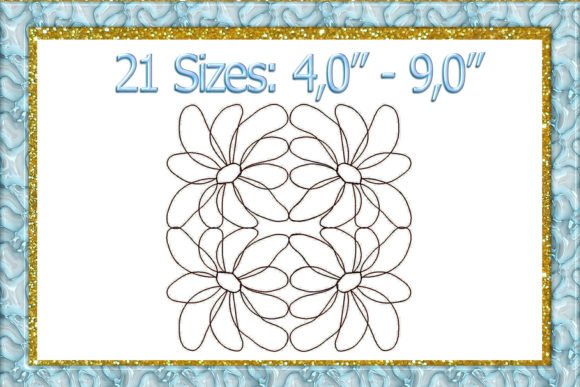
The intersection of traditional quilting aesthetics and modern digital embroidery technology has created a robust market for enthusiasts looking to add personalized, intricate details to their textile projects. Among the most popular categories in this niche is the Flower Quilt Block Machine Embroidery Design. This specific design, identified by the code 719 Single Stitch, offers a blend of classic floral motifs with the precision of machine stitching. For crafters, hobbyists, and small business owners, understanding the technical specifications, file compatibility, and practical application of such designs is crucial before making a purchase or beginning a project.
This article provides an objective evaluation of the Flower Quilt Block Machine Embroidery Design, focusing on its utility, format versatility, and the considerations necessary for successful execution. It is designed to help readers determine whether this digital asset aligns with their current skill level, equipment capabilities, and creative goals.
Understanding the Product: Digital Assets vs. Physical Goods
A fundamental distinction must be made immediately: the Flower Quilt Block Machine Embroidery Design is not a physical item, patch, or finished quilt block. It is a digital file containing the instructions for an embroidery machine to stitch a specific pattern. Consequently, ownership of this design does not confer a tangible product but rather the capability to create one. To utilize these files, users must possess an embroidery machine capable of reading digital formats and the software necessary to transfer the design from a computer or storage device to the machine’s memory.
This distinction impacts the user experience significantly. Unlike purchasing a pre-made quilt square that can be sewn onto a larger piece immediately, acquiring this design requires a workflow involving digitization, hooping, stabilizing, and stitching. The value proposition lies in the customization and repeatability that digital files offer, allowing users to produce identical blocks multiple times with varying thread colors and fabric choices.
Format Compatibility and Technical Versatility
One of the strongest selling points of the Flower Quilt Block Machine Embroidery Design (Code 719) is its extensive format support. Embroidery machines are proprietary ecosystems, often locking users into specific file types. However, this design package includes nine distinct formats, ensuring broad accessibility across major brands:
- PES: Compatible with Brother, Deco, and Babylock machines.
- DST: The standard format for Tajima industrial and commercial machines.
- EXP: Used by Melco (Singer) machines.
- HUS: Designed for Husqvarna and Viking models.
- JEF: Supports Janome, Elna, and Kenmore home machines.
- VP3: An older format for certain Husqvarna and Viking units.
- VIP XXX: Required for high-end Barudan and similar industrial systems.
- SEW: Another variant supporting Janome, Elna, and Kenmore devices.
This multi-format inclusion reduces the barrier to entry for users who may have inherited machines from different generations or brands. It eliminates the need for third-party conversion software, which can sometimes introduce errors or quality degradation in the stitch path. For the evaluator, this suggests a high level of preparedness by the designer, catering to both home hobbyists and professional embroiderers.
Practical Application and Material Considerations
The aesthetic appeal of a flower quilt block lies in its delicate lines and potential for fine detail. Therefore, the success of stitching the "Single Stitch" variation depends heavily on material selection and stabilization techniques. The design’s effectiveness is not guaranteed solely by the digital file; it is contingent upon the user’s ability to prepare the fabric correctly.
Stabilizer Selection
For general applications, a cut-away stabilizer is often recommended for durability. However, specific scenarios require nuanced approaches. When working with fine-knit fabrics, such as T-shirts or children’s overalls, the risk of fabric distortion or hole formation is higher. In these cases, a layered stabilization strategy is advised:
- Back Layer: Apply a sticky stabilizer to the back of the fabric to prevent shifting during the hooping process.
- Top Layer: Use a tear-away stabilizer on top, inside the hoop area, to support the fabric surface during stitching.
- External Support: For areas involving dense fonts or fine lines, a flush-cut stabilizer on the outside can provide additional rigidity.
This multi-layer approach ensures that the fabric remains taut and flat, preventing puckering—a common issue when stitching complex floral patterns on stretchy materials.
Needle and Thread Choice
To maintain the integrity of fine-knit fabrics and prevent needle holes from becoming visible after the stabilizer is removed, using a thinner gauge knitting needle is prudent. This reduces the trauma inflicted on the fabric fibers during the piercing process. Additionally, selecting high-quality polyester or rayon threads that match the weight of the stabilizer used will result in a smoother finish and better drape of the final quilt block.
Evaluating Fit: Who Should Choose This Design?
The Flower Quilt Block Machine Embroidery Design is best suited for individuals who already own compatible embroidery hardware and are comfortable with the setup process. It is particularly attractive to:
- Quilters seeking hybrid techniques: Those who wish to combine hand-quilting aesthetics with machine precision for faster production.
- Personalization enthusiasts: Users creating custom gifts, baby blankets, or apparel where unique, non-mass-produced elements are valued.
- Small-scale sellers: Artisans producing limited-run items on platforms like Etsy, who need versatile designs that can be adapted to various products.
However, there are trade-offs. The primary consideration is the learning curve associated with digitized embroidery. Beginners without prior experience in hooping, stabilizing, and troubleshooting machine errors may find the process frustrating. Furthermore, while the design is versatile, the "Single Stitch" variation implies a specific texture. If a user prefers dense, filled satin stitches for a plush appearance, they might find this linear style too sparse for their taste.
Alternatives and Comparative Insights
If the Flower Quilt Block Machine Embroidery Design does not meet your needs, consider alternative approaches. For those intimidated by the technical requirements of machine embroidery, ready-made embroidered patches or appliqué kits offer a lower barrier to entry. These physical alternatives eliminate the need for software, stabilizers, and machine maintenance.
Alternatively, if the goal is purely aesthetic rather than functional, hand-embroidery kits provide a meditative, tactile experience that machine work cannot replicate. While slower, hand embroidery allows for subtle variations in tension and stitch length that many purists prefer for heirloom quilts.
For users with machines that do not support the nine included formats, investing in an embroidery converter software suite might be worthwhile. However, given the wide range of formats provided, this step should rarely be necessary. The decision ultimately rests on whether the convenience of digital versatility outweighs the initial time investment required to set up and execute the design.
Conclusion
The Flower Quilt Block Machine Embroidery Design (Code 719) represents a well-supported, technically robust option for digital embroidery projects. Its strength lies in its broad compatibility and clear guidance on material handling, particularly for challenging fabrics. While it requires specific equipment and a willingness to engage with the technical aspects of machine embroidery, it offers significant rewards in terms of customization and professional-quality results. For those equipped to handle the process, it serves as a valuable tool for enhancing textile crafts with precise, repeatable floral motifs.