Mastering Large-Scale Embroidery: A Comprehensive Guide to the Ornamental Cross Stitch Pattern PDF
Cross-stitch embroidery has evolved significantly from its traditional roots as a method for preserving family records or creating small, delicate handkerchiefs. Today, it stands as a sophisticated art form capable of producing massive, gallery-worthy installations that rival tapestries in scale and impact. At the heart of this modern resurgence is the availability of high-quality digital resources, specifically the Ornamental Cross Stitch Pattern PDF. This resource transforms the hobbyist experience by providing precise, professional-grade instructions for large-format projects. For those looking to undertake ambitious stitching endeavors, understanding the technical specifications, material requirements, and aesthetic potential of such patterns is essential for success.
The shift toward larger canvases allows stitchers to explore color theory and composition on a grander scale, turning hours of meticulous work into a stunning focal point for any interior space. However, managing a project of this magnitude requires more than just enthusiasm; it demands careful planning, accurate calculation of materials, and a clear vision of the final product. The following guide delves into the specifics of executing a large-scale ornamental design, breaking down the technical data provided in the pattern file to ensure a seamless crafting process.
Understanding the Scale and Dimensions
One of the most critical aspects of any cross-stitch project is determining the finished size relative to the fabric count. The Ornamental Cross Stitch Pattern PDF is designed with precision, offering a grid that measures 350 stitches wide by 350 stitches high. While this may seem like a manageable number for smaller designs, in the context of large-scale art, it creates a substantial piece. The physical dimensions of the final artwork vary depending on the evenweave fabric chosen, which directly affects the density and texture of the finished piece.
For the most common choice among enthusiasts, 14-count Aida cloth, the finished dimensions will be approximately 25 inches wide by 25 inches high (63.5 cm x 63.5 cm). This size is ideal for framing without requiring specialized large-scale frames, making it accessible for home decorators and hobbyists alike. The square format provides a balanced, symmetrical look that complements ornamental motifs perfectly, allowing the intricate details of the design to breathe.
However, crafters often seek variation in texture and detail by altering the fabric count. If you opt for 16-count fabric, the finished size reduces slightly to 21.9 inches by 21.9 inches (55.6 cm x 55.6 cm). This option offers a tighter stitch definition, which can enhance the clarity of finer details within the ornamental pattern. For those seeking a smoother, more refined finish where individual stitches are less distinct and the image appears almost painterly, 18-count linen is an excellent choice. On 18-count fabric, the piece will measure 19.5 inches by 19.5 inches (49.4 cm x 49.4 cm). Finally, for advanced stitchers who desire a luxurious, silk-like surface, 25-count fabric yields a compact 14-inch by 14-inch (35.6 cm x 35.6 cm) masterpiece. Each fabric choice alters the visual weight and tactile quality of the final ornament, so selecting the right count is a vital part of the creative process.
Deconstructing the PDF Contents
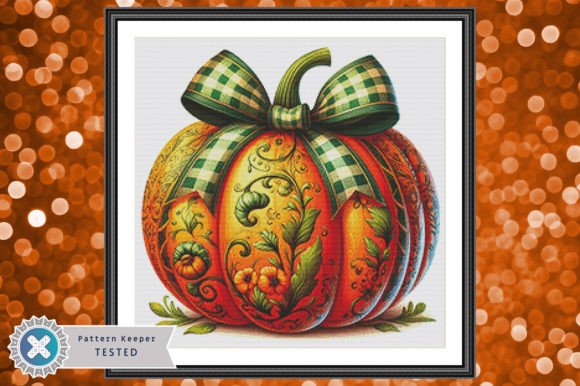
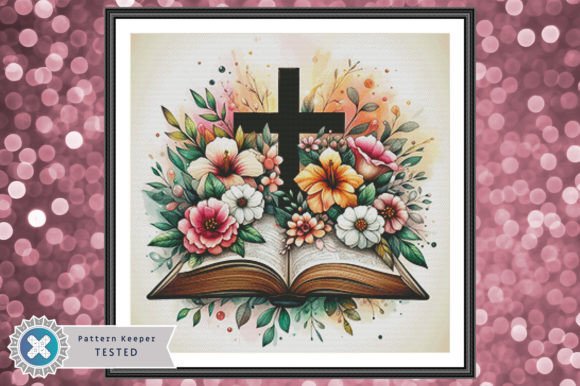
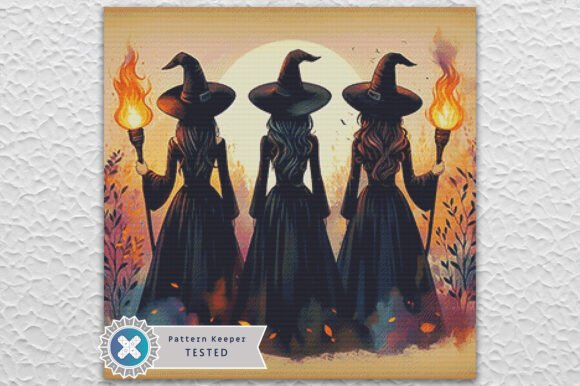
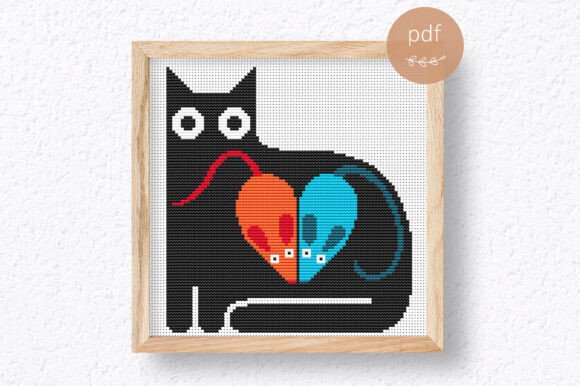
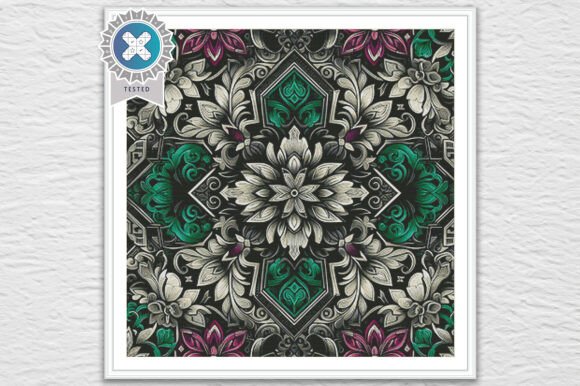
Purchasing or downloading the Ornamental Cross Stitch Pattern PDF grants access to a comprehensive suite of tools designed to simplify the stitching journey. Unlike basic charts that merely show symbols, this digital package is engineered for user convenience and accuracy. The first component included is a pattern mockup. This visual representation serves as a preview, helping stitchers visualize how the colors interact and how the ornamental elements will come together. It acts as a reference point throughout the project, ensuring that the mental image matches the physical output.
Secondly, the file contains a detailed symbol key for DMC stranded cotton threads. DMC is widely regarded as the gold standard in embroidery floss due to its vibrant colorfastness and consistent dye lots. The symbol key maps every unique icon used in the chart to specific DMC thread numbers. This eliminates guesswork and ensures color consistency across the entire 350x350 grid. Having this key readily available prevents errors that could arise from misinterpreting similar-looking symbols, which is particularly important in complex ornamental designs where subtle color shifts create depth.
To assist with budgeting and preparation, the PDF includes a floss usage chart for 14-count fabric. Knowing exactly how many skeins of each color are required before beginning is crucial for maintaining project momentum. Running out of a specific shade halfway through a large project can be disheartening, especially if that particular dye lot is no longer in production. By calculating the total yardage needed per color, stitchers can purchase all necessary materials upfront, ensuring a smooth workflow from start to finish.
Lastly, the inclusion of a black and white symbol chart is a thoughtful addition that promotes eye health and printing efficiency. Color printing can be expensive and may cause glare under bright lights, leading to eye strain during long stitching sessions. A monochrome version allows users to print the chart on standard paper without wasting ink, while also reducing visual fatigue. This feature demonstrates a user-centric approach to digital pattern design, acknowledging the practical needs of serious crafters.
Material Selection and Preparation
Success in large-scale cross-stitch relies heavily on the quality of the materials used. Since the Ornamental Cross Stitch Pattern PDF specifies the use of full cross stitches only, the texture of the fabric becomes paramount. Full crosses cover the fabric completely, creating a dense, durable surface. Therefore, choosing a high-quality, pre-washed evenweave fabric is recommended to prevent shrinkage after the project is completed. If using Aida, ensure it is stiff enough to hold the shape but soft enough to allow the needle to pass through easily over hundreds of stitches.
When preparing your workspace, consider the size of the frame. A 25-inch square piece requires a hoop or frame that can accommodate the width without distorting the fabric tension. Uneven tension can lead to skewed stitches, ruining the symmetry of the ornamental design. Many professionals prefer scroll bars or stretcher bars for pieces larger than 20 inches, as they provide a flat, stable surface that is easier to manage than circular hoops. Additionally, good lighting is non-negotiable. Whether natural light or a high-CRI lamp, proper illumination helps distinguish between closely related shades in the DMC palette, ensuring accurate placement of every stitch.
The Artistic and Practical Benefits
Engaging with a project defined by the Ornamental Cross Stitch Pattern PDF offers benefits that extend beyond the creation of a decorative object. From a psychological perspective, large-scale repetitive tasks induce a state of flow, reducing stress and promoting mindfulness. The rhythmic nature of inserting the needle and pulling the thread serves as a meditative practice, allowing creators to disconnect from digital distractions and focus entirely on the present moment.
From a practical standpoint, completing a large cross-stitch piece results in a durable, washable, and timeless piece of home decor. Unlike printed posters or digital displays, a stitched artwork possesses a tangible texture and warmth that adds character to a room. The ornamental style typically features intricate borders, floral motifs, or geometric patterns that complement various interior design aesthetics, from rustic farmhouse to modern minimalist. Furthermore, these pieces make exceptional heirlooms. A 25-inch square represents hundreds of hours of dedication, making it a meaningful gift for milestones such as weddings, anniversaries, or new home celebrations.
Workflow Tips for Large Projects
Managing a 350x350 stitch grid requires strategic organization. It is advisable to break the project into manageable sections. Some stitchers find it helpful to mark off completed quadrants on their printed black and white chart to track progress visually. Using a magnetic pick-up tool can save time when retrieving dropped needles, and keeping a pair of sharp scissors close at hand ensures clean cuts of the floss, preventing fraying.
Thread management is another key consideration. When working with multiple colors, it is efficient to cut lengths of floss that are no longer than 18 inches to minimize tangling and friction burn on the hands. If using 14-count fabric, two strands of DMC floss are typically used, while 18-count fabric usually requires three strands. Adhering to these strand counts ensures that the fabric holes are not overstretched and that the stitches lie flat and even. Regularly checking your work against the color key mockup can help catch any misplaced stitches early, saving time on corrections later.
Conclusion
The Ornamental Cross Stitch Pattern PDF represents a convergence of traditional craftsmanship and modern digital convenience. By providing clear dimensions, precise thread mappings, and versatile viewing options, it empowers stitchers to tackle ambitious projects with confidence. Whether you are a seasoned expert looking for a new challenge or a beginner eager to create a significant statement piece, this pattern offers a structured path to artistic fulfillment. With careful preparation, the right materials, and a patient approach, the result will be a breathtaking work of art that showcases the enduring beauty of cross-stitch embroidery.