Mini Hippo Embroidery Design: A Charming Asset for Creative Projects
In the world of textile design and personalized branding, few elements capture attention quite like a well-executed Mini Hippo Embroidery Design. While embroidery is traditionally viewed through the lens of craft and fabric, its visual impact translates seamlessly into broader graphic design principles. For designers seeking to add texture, warmth, and whimsy to their projects, this tiny hippopotamus motif offers a unique opportunity to blend modern aesthetics with traditional craftsmanship. It is not merely a cute animal silhouette; it is a versatile visual asset that can elevate brand identity, enhance user engagement, and bring a touch of professional polish to creative projects.
The Visual Appeal of Miniature Animal Motifs
From a graphic design perspective, small-scale illustrations like a mini hippo are powerful tools for creating visual hierarchy. Their compact size allows them to function as subtle accents or focal points without overwhelming the primary message. Whether used in logo design, packaging design, or social media graphics, these designs leverage scale to create intimacy and approachability. The rounded forms and soft lines typical of a baby hippo evoke feelings of safety, playfulness, and care—emotions that are highly valuable in branding for children’s products, nurseries, or lifestyle brands.
When integrating such an element into a design workflow, consider how it interacts with your existing color palette. A mini hippo design often benefits from high-contrast stitching colors against neutral fabrics, much like how bold typography stands out in editorial design. This contrast ensures that the design remains legible and impactful even at smaller scales, a critical factor when scaling assets for different mediums.
Technical Versatility and Format Compatibility
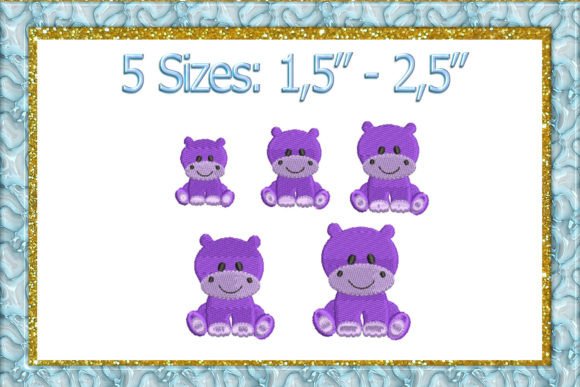
One of the most significant advantages of acquiring a premium digital embroidery file is its compatibility across various platforms and machines. This specific design is engineered for maximum usability, coming in five distinct sizes ranging from 1.26” x 1.50” (32.1mm x 38.1mm) to 2.09” x 2.50” (53.1mm x 63.5mm). This scalability is crucial for maintaining modern aesthetics whether you are applying the design to a tiny onesie or a larger tote bag.
The file includes nine essential formats, ensuring that your creative assets are ready for immediate use regardless of the hardware involved:
- PES – Compatible with Brother, Deco, and Babylock machines.
- DST – The standard format for Tajima industrial machines.
- EXP – Ideal for Melco embroidery systems.
- HUS – Designed for Husqvarna and Viking users.
- JEF – Works with Janome, Elna, and Kenmore models.
- VP3 – Another key format for Husqvarna/Viking VIP XXX series.
- SEW – Supports Janome, Elna, and Kenmore devices.
This broad compatibility streamlines the transition from digital concept to physical product, reducing friction in print design and merchandise production pipelines.
Practical Applications in Branding and Marketing
The application of a Mini Hippo Embroidery Design extends far beyond simple decoration. In the context of digital marketing and UI/UX design, understanding how tactile elements translate to visual cues can improve overall communication. For instance, using this design on branded merchandise creates a tangible connection with your audience, enhancing user experience through sensory engagement.
Merchandise and Product Line Extensions
For businesses looking to expand their brand identity, embroidered goods offer a premium feel. The mini hippo design, with its precise stitch counts (ranging from 3,085 to 6,674 stitches), ensures a clean, dense finish that looks professional rather than amateurish. This level of detail is vital for maintaining a professional presentation in competitive markets.
Editorial and Web Design Inspiration
Even if you are primarily focused on web design or typography, studying the composition of embroidery files can inspire new layouts. The way the design balances negative space within its bounding box mirrors effective layout design principles. Designers can extract color themes or shape motifs from the embroidery to inform digital content creation, ensuring a cohesive look across both physical and digital touchpoints.
Selecting Quality Assets for Professional Results
When evaluating design resources, always prioritize clarity and precision. A high-quality embroidery design should maintain its integrity at all listed sizes. The inclusion of multiple sizes here—from the tiny 1.26” version perfect for delicate baby items to the larger 2.09” option for hats and bags—demonstrates thoughtful preparation. Ensure that any asset you choose supports your design goals by offering flexibility and consistency.
Remember that this is a digital file intended for use with an embroidery machine. It requires proper digitizing knowledge to execute correctly, but the result is a textured, elevated piece of art that static prints cannot replicate. By incorporating such detailed, multi-format assets into your toolkit, you empower yourself to create more diverse and engaging creative projects.
Ultimately, the choice to include a Mini Hippo Embroidery Design in your repertoire speaks to a commitment to quality and variety. In an era where consumers crave authenticity and tactile experiences, the ability to bridge the gap between digital planning and physical creation is invaluable. Thoughtful design choices, supported by robust and versatile assets, ensure that your work not only looks good but feels right, strengthening the emotional bond between your brand and your audience.