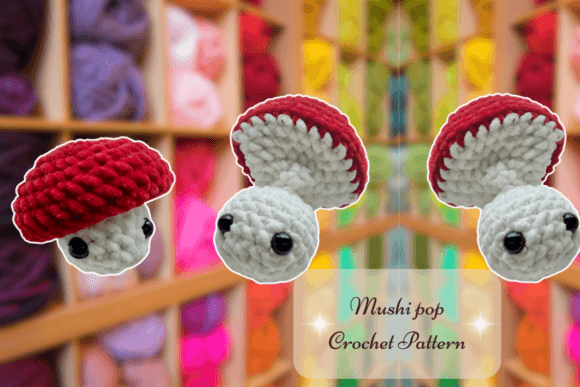
Popping Mushroom Fidget Crochet Pattern
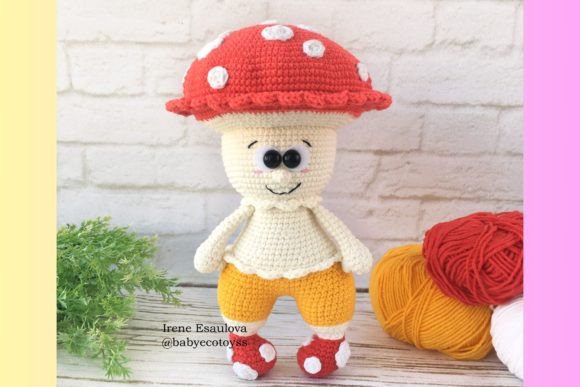
If you have ever watched a child—or even an adult—clicking, popping, or squishing something repeatedly to calm their nerves, you already understand the psychology behind fidget toys. They are not just distractions; they are tools for regulation. Enter the Popping Mushroom Fidget Crochet Pattern, a design that marries the tactile satisfaction of a pop-it toy with the cozy, handmade charm of amigurumi. This isn’t just another stuffed animal. It is a functional sensory tool designed to be squeezed, pressed, and loved, offering a unique blend of visual appeal and physical feedback.
The concept is simple but effective: a mushroom-shaped crochet piece where the "stem" or cap features a mechanism (often created through specific stitch manipulation or embedded materials) that allows it to "pop" or depress under pressure. When paired with soft chenille yarn and sturdy safety eyes, the result is a plush that feels as good as it looks. For makers, this pattern represents a sweet spot in the crafting world—it is quick enough to produce in bulk but detailed enough to feel premium. For users, it provides a discreet yet engaging way to manage stress, boredom, or anxiety.
Why This Pattern Stands Out in the Fidget Market
The market for sensory toys is saturated with plastic pop-its and silicone squeezers. While those items serve a purpose, they often lack warmth and durability. The Popping Mushroom Fidget Crochet Pattern addresses these gaps by introducing texture and personality. Chenille yarn, often referred to as "super soft" or "velvet" yarn, adds a layer of comfort that plastic simply cannot replicate. The slight friction of the fabric against fingertips can be grounding, providing a different sensory input than smooth silicone.
Furthermore, the aesthetic of a mushroom taps into current trends in whimsical decor and cottagecore aesthetics. This makes the item appealing beyond its primary function as a fidget toy. It becomes a decorative piece that also serves a purpose, which is a significant selling point for consumers who want to minimize clutter while maximizing utility. The ability to switch between safety eyes and embroidered or felt eyes adds another layer of customization, allowing creators to tailor the product to different age groups or safety requirements.
Real-World Use Cases Across Different Settings
Understanding who uses these tools and why helps clarify the value of this pattern. Here is how the Popping Mushroom Fidget Crochet Pattern fits into various real-life scenarios.
For Parents and Caregivers
In households with neurodivergent children or kids with ADHD, fidgets are often necessary for maintaining focus during homework or quiet time. A traditional pop-it can be noisy and distracting to others in the room. A crochet mushroom is quieter. More importantly, it is durable. Plastic pop-its crack and lose their snap after months of use. A well-made crochet version, especially one using dense stuffing and tight stitches, can withstand intense squeezing sessions without breaking down. Parents appreciate the longevity and the fact that it does not contain small, loose parts if constructed properly with secure safety eyes.
For Educators and Therapists
Teachers and occupational therapists are always looking for low-cost, high-impact tools. Having a stash of handmade fidgets allows educators to reward positive behavior or provide immediate sensory support to students who are struggling to regulate. Because the mushroom pattern is relatively quick to make once mastered, a teacher can produce several in an afternoon. These can be used as incentives, prizes, or therapeutic aids during counseling sessions. The non-threatening, cute appearance of the mushroom helps lower barriers for children who might resist using more clinical-looking therapy tools.
For Office Workers and Remote Professionals
Stress management in the workplace has become a critical topic. Many professionals keep fidget toys at their desks to help with concentration during long meetings or coding sessions. However, many office-appropriate fidgets are still plastic and look like toys. A handcrafted mushroom offers a sophisticated alternative. It signals mindfulness rather than childishness. For remote workers, having a tactile object on the desk can break the monotony of screen time, providing a physical anchor that helps prevent mental fatigue.
For Small Business Owners and Crafters
If you are a maker selling at local markets or online via Etsy, the Popping Mushroom Fidget Crochet Pattern is a strategic choice. It sits in a lucrative niche: "functional decor." You are not just selling a toy; you are selling a solution to stress. The use of red and white chenille yarn creates a classic, recognizable color palette that appeals to a broad audience. Because the materials are inexpensive and the production time is short compared to complex garments, the profit margins can be healthy. Additionally, the option to customize eyes allows you to offer variations—black safety eyes for a standard look, or embroidered eyes for a younger demographic or a softer aesthetic.
Materials and Construction Considerations
To get the best results from this pattern, understanding your materials is crucial. The recipe calls for red and white chenille yarn, 10mm safety eyes, and toy stuffing. Each component plays a role in the final user experience.
- Chenille Yarn: This yarn is thick and soft, which means you will likely need a large hook size (often 6mm to 9mm, depending on the specific pattern instructions) to achieve the right density. If your stitches are too loose, the mushroom will sag. If they are too tight, the "pop" mechanism may not work smoothly. The goal is a firm but yielding structure.
- Safety Eyes vs. Embroidery: Standard 10mm safety eyes are great for durability and a polished look for older kids and adults. However, for infants or toddlers, safety eyes pose a choking hazard if they pull out. In these cases, sewing on felt circles or embroidering the eyes is not just a stylistic choice but a safety necessity. Always test the security of any attached components before selling or gifting.
- Stuffing: The amount of stuffing determines the "pop" resistance. Too much stuffing makes the mushroom hard and unresponsive. Too little makes it floppy and unsatisfying to squeeze. Experimenting with different fill levels is part of the creative process here. Some makers even add a small bead or button inside the cap to enhance the tactile sensation, though this requires extra caution regarding safety.
Practical Tips for Makers and Buyers
Before diving into this project, whether you are making them for personal use or for sale, consider the following practical aspects.
Consistency is Key: If you plan to sell these, consistency in size and shape matters. Use a stitch marker religiously to keep track of rounds. Measure your mushrooms periodically to ensure they meet your quality standards. A customer who receives a lopsided mushroom may not return, regardless of how cute it is.
Washing Instructions: Chenille yarn can pill or mat if washed incorrectly. Provide clear care labels with your products. Hand washing in cold water and laying flat to dry is usually the safest method. Avoid wringing them out, as this can distort the shape and damage the fiber structure. Transparency about care builds trust with your customers.
Target Audience Alignment: Think about who you are making this for. If you are targeting teens and adults, you might opt for more muted colors or minimalist designs. If you are targeting young children, bright reds and whites with big, friendly eyes are ideal. The Popping Mushroom Fidget Crochet Pattern is versatile enough to adapt to these preferences by simply changing the yarn color or eye style.
Conclusion
The Popping Mushroom Fidget Crochet Pattern is more than a trend; it is a response to a genuine need for accessible, comforting sensory tools. By combining the joy of crafting with practical functionality, it offers value to makers, educators, parents, and individuals seeking relief from daily stress. Whether you are looking to create a calming companion for your own desk or build a line of meaningful gifts for your community, this pattern provides a solid foundation. It reminds us that sometimes the simplest solutions—like a soft, squeezable mushroom—are the most effective ones.