The Enduring Charm of the Nopal Cactus: From Desert Resilience to Paper Artistry
When we think of the Nopal Cactus, also widely known as the Prickly Pear, our minds often drift to arid landscapes, rugged terrain, and a sense of untamed natural resilience. It is a plant that has survived millennia in some of the harshest environments on Earth, yet it possesses a quiet, vibrant beauty that transcends its harsh origins. In recent years, this iconic succulent has moved beyond the garden bed and into the realm of high-end home decor and creative craftsmanship. Enter Maison Gregoria’s latest creation: a stunning paper sculpture that captures the very soul of the real Nopal.
This isn’t just another artificial plant; it is a meticulously crafted tribute to nature’s design. By translating the organic complexity of the cactus into paper, Maison Gregoria offers a unique intersection of art, botany, and DIY culture. Whether you are an interior designer looking for low-maintenance greenery or a craft enthusiast seeking a challenging project, understanding the appeal of the Nopal Cactus—both real and represented—is key to appreciating this modern decorative staple.
Capturing the Essence: What Makes the Nopal Special?
To truly appreciate the Maison Gregoria paper sculpture, one must first understand what makes the actual Nopal Cactus so distinctive. The Nopal is characterized by its flat, paddle-like pads (cladodes) which store water efficiently, allowing it to thrive in dry conditions. These pads are not merely green slabs; they are textured, layered, and often adorned with clusters of spines and bright, ephemeral flowers. The visual rhythm of the cactus—the way the pads overlap and grow outward—creates a dynamic silhouette that is both structured and wild.
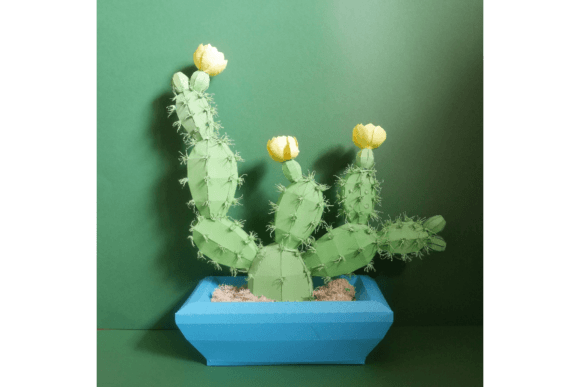
Maison Gregoria’s interpretation brings these details to life through texture and color. The sculpture features multiple branches of textured green cactus pads, each carefully shaped to mimic the natural curvature and thickness of the real thing. But it doesn’t stop there. The addition of white spines adds a layer of realism that catches the light, while the bright yellow flowers provide a burst of color that mimics the brief but spectacular blooming season of the Prickly Pear. This attention to detail transforms a simple paper model into a piece of living art, even if the "life" here is preserved rather than biological.
Design Dynamics: Contrast and Color Theory
One of the most striking aspects of this paper sculpture is its presentation. Set against a bold blue rectangular pot, the green of the cactus pops with vivid intensity. This is a deliberate design choice rooted in color theory. Blue and green are analogous colors, sitting next to each other on the color wheel, which creates a harmonious and pleasing visual experience. However, the depth of the blue provides enough contrast to make the greens appear richer and more saturated.
Furthermore, the base of the arrangement is filled with faux moss to mimic natural earth. This element serves two purposes: it grounds the sculpture, giving it a sense of weight and stability, and it bridges the gap between the artificial paper and the illusion of nature. For those decorating modern spaces, this combination of naturalistic elements (the moss, the pad shapes) and vivid, stylized components (the bold pot, the perfect yellow blooms) creates a focal point that is lively yet controlled. It is a standout artwork that refuses to blend into the background, making it perfect for entryways, office desks, or minimalist living rooms where a single pop of color can define the space.
The Rise of Maintenance-Free Decor
In today’s fast-paced lifestyle, the demand for home decor that enhances aesthetics without demanding constant care is higher than ever. Real plants require specific light conditions, watering schedules, and humidity levels. For many people, especially those who travel frequently or live in apartments with limited sunlight, keeping a real Nopal alive can be a source of stress rather than joy. This is where the value proposition of the Maison Gregoria paper sculpture becomes undeniable.
This creation offers a lively yet maintenance-free addition to any home decor. You get the visual benefits of a thriving plant—the texture, the color, the organic form—without the risk of overwatering, pests, or seasonal die-back. It stays vibrant year-round. No dusting required (well, maybe a gentle wipe occasionally), no pruning needed. It is the ultimate solution for "plant parents" who want the aesthetic of biophilic design—the human connection to nature—in their homes without the horticultural labor.
For the Craft Enthusiast: A Rewarding DIY Challenge
While the pre-assembled sculpture is a beautiful ready-to-display item, Maison Gregoria recognizes the deep satisfaction found in the act of creation. For those interested in crafting, the brand provides a comprehensive DIY kit that allows enthusiasts to recreate this stunning paper cactus at home. This approach taps into the growing trend of mindful making, where the process of building something tangible becomes a form of relaxation and accomplishment.
The kit is designed to be accessible yet detailed. It includes:
- Precise Patterns: Every curve and fold is mapped out to ensure the final product looks authentic.
- Step-by-Step Instructions: Clear guidance helps users navigate the assembly of complex structures like the overlapping pads and delicate flower centers.
- All Necessary Materials: From the cardstock to the adhesives, everything you need is included, removing the friction of sourcing individual components.
This democratization of high-quality art pieces allows anyone to own a piece of the Nopal Cactus aesthetic. It turns a passive purchase into an active engagement with the material. The result is a deeper appreciation for the object, as you have literally built its structure with your own hands.
Material Matters: Why Cardstock Quality Counts
In the world of paper crafts, the substrate is everything. Thin paper tears easily and lacks the structural integrity needed to hold the shape of a three-dimensional object. That is why the choice of materials in this DIY kit is critical. All cardstock featured is Encore Cardstock 80 lb cover (216 gsm).
This is not flimsy printer paper. An 80 lb cover stock is thick, durable, and holds creases beautifully. It provides the necessary stiffness for the cactus pads to stand upright and maintain their shape, while still being flexible enough to allow for the subtle curves that give the sculpture its organic feel. The weight of the paper also contributes to the perceived quality of the final piece; it feels substantial and premium in the hand. If you are embarking on this DIY journey, using high-quality cardstock ensures that your finished Nopal Cactus looks professional and lasts for years without warping or sagging.
For those eager to start their own project or explore similar materials, you can click here to visit the 12×12 Cardstock Shop. Please note that this is a paid link at no extra cost to you, supporting the resources that help bring these creative visions to life.
Gifting and Interior Styling Tips
Because of its unique blend of art and nature, the Nopal Cactus paper sculpture makes for a unique gift for a variety of occasions. It is ideal for housewarmings, birthdays, or corporate gifts where you want to offer something memorable and visually striking. Unlike generic gift cards or common knick-knacks, a paper sculpture shows thoughtfulness and an appreciation for design.
When styling this piece in your home, consider its scale. Due to its vibrant colors and intricate details, it works best when given some breathing room. Place it on a console table, a bookshelf, or a sideboard where it can be viewed from multiple angles. The contrast between the naturalistic elements and the vivid blue pot means it pairs well with neutral backgrounds—whites, grays, and soft beiges—allowing the sculpture to take center stage. Alternatively, it can complement other natural textures like wood, rattan, or linen, creating a cohesive bohemian or modern-rustic vibe.
Conclusion
The Nopal Cactus, whether grown in the desert or crafted from paper, represents resilience, beauty, and adaptability. Maison Gregoria’s paper sculpture honors these qualities by capturing the essence of the Prickly Pear in a format that is accessible, stylish, and practical. It bridges the gap between the natural world and modern interior needs, offering a splash of color and life without the commitment of soil and water. Whether you choose to buy the finished artwork or dive into the DIY kit to build it yourself, you are investing in a piece of decor that sparks conversation and brings a touch of vibrant nature into your everyday life.