Evaluating the Knit Lattice Fingerless Gloves Pattern: A Practical Guide for Intermediate Knitters
For those who appreciate the aesthetic of cottagecore fashion but possess a solid foundation in knitting techniques, finding a project that balances visual complexity with wearable functionality can be challenging. Many patterns either require advanced colorwork skills like fair isle or result in garments that are too bulky for modern layering. The Knit Lattice Fingerless Gloves pattern emerges as a distinct option in this space, offering a structured yet flexible approach to accessory design. This evaluation explores the specific characteristics of this pattern, its suitability for different skill levels, and how it compares to other common approaches for creating fingerless gloves.
Understanding the Design Philosophy and Construction
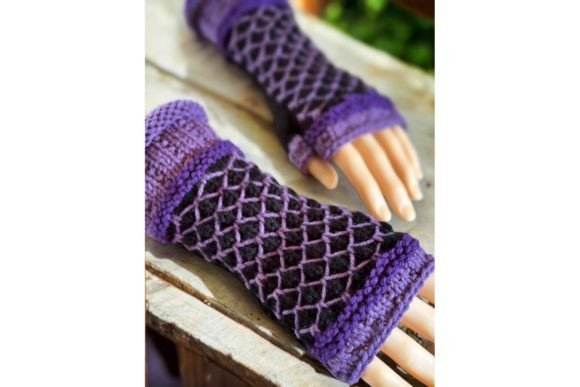
The core appeal of the Knit Lattice Fingerless Gloves lies in its strategic use of texture and fit. Unlike many decorative gloves that prioritize pattern coverage over comfort, this design acknowledges the mechanical needs of the hand. The body of the glove features a striking criss-cross lattice motif, which provides the visual interest associated with cottagecore styles—think rustic elegance, textured wool, and autumnal palettes. However, the construction diverges from standard fully-patterned designs in two critical ways: the direction of knitting and the treatment of the thumb and palm areas.
First, these gloves are knit flat on two needles rather than in the round. This method allows for easier management of the complex stitch pattern without the need for double-pointed needles or circular needle magic loops, which can sometimes distort tension in intricate lace or cable work. Second, and perhaps most importantly for fit, the thumb and palm sections are worked in plain stockinette stitch. This is not an oversight but a deliberate engineering choice. Stockinette offers natural stretch and recovery, ensuring that the glove fits snugly around the dynamic parts of the hand where movement occurs. If the lattice pattern were extended into the palm, the fabric would likely become rigid, restricting dexterity and causing discomfort during wear.
Customization and Aesthetic Flexibility
One of the strongest arguments for choosing this pattern is its high degree of customizability. The lattice effect is inherently adaptable to various yarn weights and color combinations, though the pattern specifically recommends worsted weight yarn for optimal definition of the stitches. Knitters can select any collection of colors to match their favorite fall outfits, making these gloves a versatile addition to a wardrobe that changes with the seasons. Whether one prefers earthy tones like moss green and rust, or softer pastels like lavender and cream, the structure of the pattern supports both bold contrasts and subtle tonal shifts.
This flexibility makes the Knit Lattice Fingerless Gloves a strong candidate for gift-giving or personal projects aimed at specific style preferences. Unlike mass-produced accessories, handmade versions allow for precise control over yarn quality, ensuring warmth and durability that synthetic alternatives often lack. For the cottagecore enthusiast, the ability to choose organic cottons, merino wools, or blended fibers adds another layer of personal expression to the final product.
Skill Level Assessment and Learning Curve
It is crucial to address the skill requirements before beginning this project. The pattern is explicitly designed for intermediate knitters and is not suitable for beginners. While the concept of carrying yarn behind the work to change colors is straightforward in theory, executing it cleanly requires practice. Beginners often struggle with tension consistency when managing multiple strands of yarn, leading to loose floats or tight spots that pucker the fabric. Additionally, reading and maintaining a complex stitch chart over several rows demands concentration and experience.
However, for those who have already mastered basic knit and purl stitches, increasing in size, and binding off, this pattern serves as an excellent bridge to more advanced colorwork. The designer has included detailed photo tutorials to demystify the criss-cross pattern, acknowledging that while the result looks intricate, the actual execution is manageable. This support system reduces the intimidation factor, allowing confident beginners with some experience in stranded knitting to succeed if they proceed with caution.
Comparison with Alternative Glove Construction Methods
To understand the value of this pattern, it helps to compare it with other common methods for making fingerless gloves:
- In-the-Round Fair Isle: Traditional colorwork gloves are often knit in the round using stranded colorwork. While efficient, this technique requires constant attention to tension to prevent twisting and usually results in a thicker, warmer fabric due to the double layers of yarn. The flat-knit lattice method produces a lighter, more drapey fabric that may be preferable for transitional weather.
- Cable-Only Patterns: Some patterns rely solely on cables for decoration. While beautiful, cables can create a stiff fabric that lacks the elasticity needed for a comfortable fit. The Knit Lattice pattern mitigates this by isolating the decorative element to the back of the hand, preserving the stretch of the stockinette palm.
- Lace Patterns:
Sizing Considerations and Fit Mechanics
A unique feature of this pattern is its approach to sizing. Rather than providing separate charts for Small, Medium, and Large that might alter the scale of the pattern, the designer uses a single repeat size adjusted through needle gauge changes. By changing needle sizes to accommodate different hand circumferences, the design remains even, centered, and to scale regardless of the wearer’s size. This is a sophisticated technique that ensures the lattice motif does not appear stretched or squashed.
This method benefits adult knitters who may fall between standard sizing brackets. It also means that the visual impact of the pattern is consistent across all sizes. However, it requires careful measurement and adherence to gauge. Swatching is essential. Because the pattern relies on the relationship between stitch count and needle diameter to maintain the lattice structure, deviating from the recommended gauge can result in a misshapen final product. Readers should note that this pattern fits adults only; there are no provisions for children’s sizes within this specific design framework.
When to Choose Knit Lattice Fingerless Gloves vs. Other Options
Deciding whether this pattern is the right choice depends largely on your immediate goals and current skill set. You should consider the Knit Lattice Fingerless Gloves if:
- You want a distinctive, non-standard look: If you are tired of simple ribbed cuffs or basic cable designs, this pattern offers a sophisticated alternative that stands out in photos and real-life interactions.
- You value fit and function: The separation of the patterned back from the stretchy palm ensures that the gloves are not just decorative props but functional items that allow for typing, writing, and handling objects.
- You are comfortable with stranded colorwork: If you have previously made socks or mittens involving color changes, you will find the learning curve manageable. The provided photos serve as a reliable guide for troubleshooting.
Conversely, you might look for a different resource if:
- You are a complete beginner: If you have never carried yarn behind your work, attempting this pattern could lead to frustration. Starting with a simpler striped fingerless glove or a garter stitch cuff would build the necessary muscle memory first.
- You prefer seamless knitting: If you dislike seaming or working flat, the traditional in-the-round approach might be more appealing, despite the trade-offs in fabric weight and pattern distortion.
- You need extreme warmth: While worsted weight yarn is warm, the open nature of some lattice variations (depending on the specific stitch definition) may not provide the same insulation as a thick, double-layered mitten. These gloves are best suited for cool autumn days rather than deep winter conditions.
Practical Tips for Success
For those ready to undertake the Knit Lattice Fingerless Gloves, preparation is key. Select a yarn with good stitch definition; highly plied worsted weight yarns often show the lattice structure more clearly than soft, haloed fibers. Keep track of your row count meticulously, as losing your place in a multi-row repeat can unravel the entire design. When switching colors, ensure your floats are neither too tight nor too loose; a good rule of thumb is that the float should lie flat against the wrong side of the fabric without pulling the front side. Finally, block your finished gloves gently to even out the stitches and enhance the drape of the stockinette sections.
In summary, the Knit Lattice Fingerless Gloves pattern represents a thoughtful intersection of aesthetic desire and practical construction. It caters specifically to knitters who want to elevate their accessory game without sacrificing comfort or fit. By understanding its strengths—customizable aesthetics, intelligent fit engineering, and scalable sizing—and respecting its limitations regarding skill level, knitters can make an informed decision. For the right maker, this pattern offers a rewarding project that results in a timeless piece of cottagecore-inspired craftsmanship.