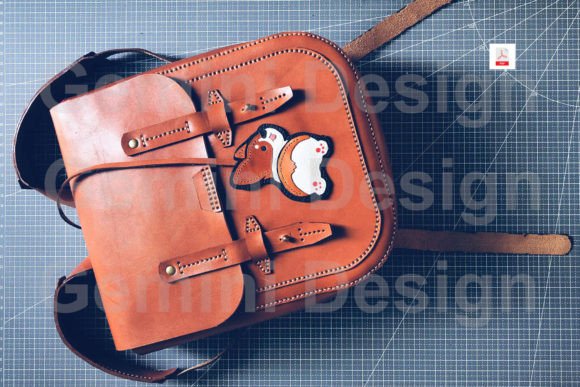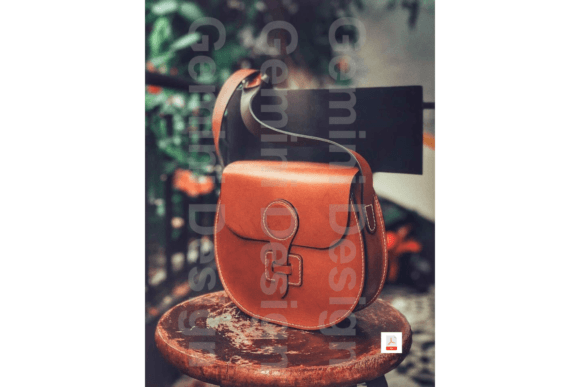
Leather Pattern Classic Bag, PDF File
The intersection of digital design and physical craftsmanship has never been more accessible. For hobbyists, small business owners, and leathercraft enthusiasts, the barrier to entry for creating professional-grade accessories has lowered significantly. At the heart of this shift is the Leather Pattern Classic Bag, PDF File, a resource that bridges the gap between conceptual design and tangible creation. This digital asset is not merely a template; it is a precision tool designed to streamline the production process, ensuring consistency and accuracy in every stitch.
In an era where customization and handmade quality are highly valued by consumers, having reliable patterns is essential. The classic bag silhouette remains timeless, appealing to a broad demographic from students to corporate professionals. However, translating a two-dimensional sketch into a three-dimensional object requires precise measurements and clear instructions. This is where digital PDF patterns excel, offering a scalable, repeatable solution that reduces waste and increases confidence for makers at all skill levels.
Understanding the Digital Pattern Format
It is crucial to understand the nature of the product before beginning any project. The Leather Pattern Classic Bag, PDF File is a digital download, specifically formatted as a printable document. It is important to note that this is not a pre-cut physical kit, nor is it a file intended for direct machine cutting like laser or CNC operations. Instead, it is a guide for traditional handcrafting methods.
The file is designed for standard paper sizes, specifically A4 and Letter scale. When downloaded, users receive a 100% life-size PDF file with clearly marked punch holes. These elements are critical for the next steps in the workflow. The pattern is laid out to be printed on paper, which then serves as a stencil or guide for tracing onto leather hides. This method allows for flexibility, enabling crafters to adjust the size slightly if needed, although the provided dimensions are optimized for specific bag proportions.
Technical Specifications and Precision
Precision is the cornerstone of good leatherwork. The Leather Pattern Classic Bag, PDF File comes with specific technical details that ensure the final product meets high standards. The designated product size is 20 x 18 cm, a compact yet functional dimension suitable for everyday carry items such as wallets, cardholders, or small pouches. This size strikes a balance between utility and elegance, making it versatile for various uses.
One of the most significant features of this pattern is the punching step, which is standardized at 4 mm. In leather crafting, the distance between holes determines the strength and aesthetic of the saddle stitch. A 4 mm spacing is widely regarded as optimal for durability without compromising the material's integrity. By providing this specification, the pattern eliminates the guesswork involved in marking hole placements. Users can rely on the pre-marked guides to achieve uniform stitching, which is often the hallmark of professional-quality goods.
The Evolution of DIY Leather Crafting
The landscape of handmade goods has evolved dramatically over the past decade. What was once the domain of specialized trade schools or long apprenticeships is now accessible to anyone with internet access and basic tools. This democratization of craft is driven by several factors, including the rise of social media platforms showcasing maker processes, the growth of online marketplaces for handmade items, and a cultural shift towards sustainable, slow fashion.
Consumers are increasingly aware of the environmental impact of fast fashion and mass-produced goods. There is a growing preference for products that tell a story, crafted with care and attention to detail. Leather, being a durable and biodegradable material (when treated properly), fits well into this narrative. However, the learning curve for leatherworking can be steep. Mistakes in cutting or stitching can ruin expensive materials, leading to frustration and wasted resources.
This is where digital patterns like the Leather Pattern Classic Bag, PDF File play a vital role. They act as educational aids, guiding users through the geometry of the bag. By following a proven pattern, beginners can avoid common pitfalls, such as misaligned seams or uneven edges. For experienced makers, these patterns offer a way to experiment with new designs or replicate successful models efficiently. The trend towards "maker culture" emphasizes not just the end product, but the joy of creation, and having the right tools enhances that experience.
Practical Implications for Creators and Businesses
For individual creators and small business owners, efficiency is key. Time spent measuring, drafting, and correcting errors is time taken away from production, marketing, or rest. The Leather Pattern Classic Bag, PDF File addresses these pain points directly. Because the pattern is digital, it can be reused indefinitely. Once printed, the paper template can be used repeatedly, provided it is handled with care. This reusability makes it a cost-effective investment compared to buying multiple pre-cut kits or hiring a designer to create custom patterns.
Furthermore, the pattern helps save time and increase product accuracy. Consistency is crucial for branding. If a seller produces a line of bags, customers expect each item to look identical. Using a standardized PDF pattern ensures that every piece cut from different hides maintains the same shape and dimensions. This level of consistency builds trust with customers and reinforces the professionalism of the brand.
Workflow Integration
Integrating this digital pattern into a modern workflow is straightforward. The process typically begins with printing the PDF on high-quality paper. It is advisable to use a printer that provides accurate scaling, as even minor deviations can affect the final fit. After printing, the user should verify the scale using the test square often included in such files. Once confirmed, the paper pattern is pinned or weighted onto the leather hide.
Tracing the outline with a sharp stylus or pen transfers the design onto the leather. The 4 mm punching marks serve as guides for the awl or punch tool. By following these marks, the crafter ensures that the stitching holes are perfectly aligned. This methodical approach reduces the likelihood of errors during the assembly phase. The result is a cleaner, more polished final product that reflects the quality of the underlying pattern.
Important Considerations for Best Results
While digital patterns simplify many aspects of crafting, they do require careful handling. A critical note associated with the Leather Pattern Classic Bag, PDF File is the recommendation to test the sample on paper before using it on leather. Leather is a natural material with variations in thickness and texture. Testing on scrap paper or inexpensive faux leather allows the maker to identify any potential issues with the pattern layout or their own technique before committing to valuable materials.
This step is particularly important for those new to leatherworking. It helps in understanding how the material behaves under tension and how the stitches hold up. Additionally, checking the print quality ensures that the lines are crisp and the punch marks are distinct. Blurry prints can lead to inaccurate tracing, which compromises the structural integrity of the bag.
Another consideration is the choice of leather. The pattern is designed for a specific thickness and type of leather, usually vegetable-tanned or chrome-tanned leather suitable for bag making. Thicker leathers may require adjustments in stitching tension or hole preparation, while thinner leathers might need reinforcement. Understanding the material properties in conjunction with the pattern guidelines leads to better outcomes.
Conclusion
The Leather Pattern Classic Bag, PDF File represents a practical solution for modern leathercraft. It combines the precision of digital design with the tactile satisfaction of handmade goods. By providing clear instructions, standardized measurements, and reusable templates, it empowers makers to produce high-quality items with confidence. Whether you are looking to start a small business, enhance your hobby skills, or simply enjoy the process of creating something tangible, this pattern offers a solid foundation. As the market continues to value authenticity and craftsmanship, having access to reliable resources like this becomes increasingly important for staying competitive and creative in the handmade community.