The Versatile Fabric Bow: A Sustainable Craft for Every Season
In the world of handmade crafts, few items offer as much visual impact with such simplicity as a Fabric Bow. While often associated with holiday cheer, this versatile accessory is far more than just a seasonal decoration. It is a testament to the beauty of upcycling, a practical solution for organizing gifts, and a charming addition to home decor. Whether you are an experienced seamstress or a beginner looking for your first project, creating bows from fabric scraps allows you to transform waste into wonder.
The true magic of this pattern lies in its adaptability. Imagine having a stack of leftover fabric remnants—perhaps bits of velvet from a winter coat, cotton from a summer dress, or silk from a scarf—and turning them into something entirely new. This approach not only reduces textile waste but also adds a personal, bespoke touch to your creations that store-bought accessories simply cannot match.
From Christmas Cheer to Year-Round Decor
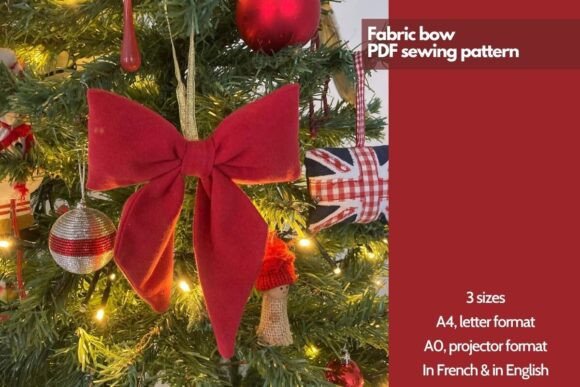
When we think of fabric bows, our minds often drift to the festive season. There is something inherently joyful about adorning a Christmas tree with handmade ornaments or tying a large bow around a wrapped present. In shades of deep red, forest green, or shimmering gold, these bows become instant symbols of celebration. They add texture and warmth to traditional color palettes, elevating simple wrapping paper into a luxurious presentation.
However, limiting the use of a Fabric Bow to December feels like a disservice to its potential. The pattern’s neutral yet elegant structure makes it suitable for any time of the year. Consider using pastel pinks, soft blues, or sunny yellows to decorate a child’s bedroom. These bows can be attached to headboards, used as bookmarks, or even incorporated into hair accessories for young girls. The softness of the fabric provides a gentle aesthetic that complements nursery themes perfectly.
Beyond home decor, these bows serve a functional purpose in gifting. A well-crafted fabric bow can replace disposable ribbons, offering a keepsake that recipients might want to reuse. You can attach them to gift bags, jewelry boxes, or even clothing tags. This small detail signals thoughtfulness and care, showing the recipient that extra effort was put into their present. In an era where sustainability is increasingly valued, giving a reusable, handmade item is a meaningful gesture.
Why Choose a Multi-Size Pattern?
One of the most significant advantages of this specific design is its scalability. Not every project requires the same scale of decoration. Sometimes, you need a tiny accent for a bracelet; other times, you need a statement piece for a large wreath. This pattern addresses that variability by being available in three distinct sizes. This flexibility ensures that you are never forced to compromise on proportion, whether you are working with delicate lace or heavy-duty denim.
Using a multi-size pattern also streamlines your crafting workflow. Instead of searching for different templates or trying to estimate proportions by eye, you have a standardized system. This consistency is particularly helpful when creating sets of decorations, such as matching bows for a wedding party or coordinated outfits for siblings. The ability to scale up or down without altering the fundamental shape ensures a professional finish every time.
What’s Inside the Pattern Package?
For those ready to start sewing, the inclusivity of the digital package is remarkable. Understanding that crafters have different tools and preferences, the pattern is provided in multiple formats to suit various printing methods and skill levels. Here is a breakdown of what you will receive:
- A4 Format with Tracing Papers: This is ideal for home printers. The package includes three separate tracing papers, one for each size option. This means you don’t have to guess which size corresponds to which layer; everything is clearly delineated, making the cutting process straightforward and error-free.
- Letter Format with Layers: For those who prefer a traditional drafting approach, the letter format allows you to print the pattern on standard office paper. The inclusion of layers helps you visualize how the pieces fit together, aiding in accurate assembly.
- A0 Format for Professional Printing: If you have access to a specialist print shop or a large-format printer, the A0 version offers maximum precision. This larger scale eliminates the need for taping multiple pages together, reducing the risk of alignment errors that can occur during manual assembly.
- Projector Format: This is a game-changer for modern crafters. Instead of printing anything at all, you can project the pattern directly onto your fabric. This saves paper, ink, and time, while allowing you to place the pattern exactly where you want it on irregularly shaped fabric scraps.
Furthermore, instructions are provided in both French and English. This bilingual support broadens accessibility, ensuring that language barriers do not hinder your creative journey. Clear explanations are crucial when working with fabric, especially if you are adding interfacing or lining. The detailed guidance helps prevent common mistakes, such as uneven seams or misaligned centers, ensuring your final product looks polished.
Practical Tips for Success
To get the best results from your Fabric Bow project, consider the type of fabric you choose. Stiffer fabrics like felt or wool hold their shape well, making them excellent for standalone decorations. Softer materials like satin or chiffon require careful handling but yield a more romantic, flowing look. If you are using slippery fabrics, a light starch or fusible interfacing can help stabilize the material during sewing.
Another key consideration is the backing. Depending on the intended use, you might want to line the bow with a contrasting fabric or leave it raw-edged for a rustic charm. When using fabric scraps, mix and match textures to create visual interest. For example, pairing a smooth silk center with a textured velvet outer loop creates depth and sophistication.
Join the Community
Crafting is often a solitary activity, but sharing your work can bring immense joy and inspiration. Once you have created your unique bows, there is a vibrant community waiting to see them. The creator invites you to share your finished projects on social media platforms like Instagram and Facebook under the handle petitcitroncoud.
Posting your creations serves multiple purposes. First, it holds you accountable to finish your projects. Second, it allows you to connect with other crafters who share your passion. Seeing how others interpret the pattern—whether they stick to traditional colors or experiment with bold prints—can spark new ideas for future projects. Whether you made a giant bow for a Christmas tree or a tiny one for a birthday gift, your contribution adds to the collective creativity of the crafting world.
In conclusion, the Fabric Bow pattern is more than just a set of instructions; it is an invitation to be creative, sustainable, and resourceful. By utilizing fabric scraps and leveraging the comprehensive features of the pattern—including its multi-size options and diverse format availability—you can create beautiful, personalized items for any occasion. From festive holidays to everyday home accents, these bows prove that small details can make a big difference. So, gather your scraps, choose your favorite colors, and start stitching. Your next masterpiece is just a few cuts away.