Beaded Cardinal Bird: A Detailed Evaluation of the Mini Brick Stitch Pattern for Custom Jewelry
The Beaded Cardinal Bird pattern represents a specific intersection of traditional beading techniques and contemporary miniature design. For crafters looking to expand their repertoire beyond standard loom work or simple stringing, this digital download offers a structured approach to creating detailed avian figures using Miyuki Delica 11/0 beads. While the visual appeal of a cardinal is universal, the technical execution required for this particular design demands a closer look at its construction, versatility, and suitability for various skill levels.
This article provides an objective analysis of the Beaded Cardinal Bird pattern, examining its structural integrity, material requirements, and potential applications. By comparing it to broader categories of beaded animal patterns and discussing the trade-offs between brick stitch and peyote stitch methods, readers can determine whether this resource aligns with their current crafting goals.
Understanding the Design Architecture
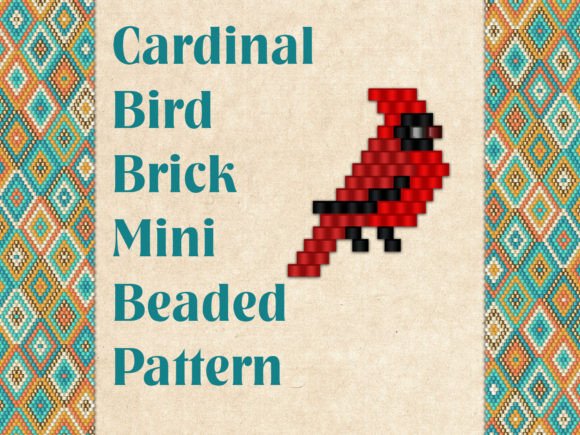
At its core, the Beaded Cardinal Bird is not merely a picture made of beads; it is a three-dimensional object constructed through precise geometric weaving. The pattern is explicitly based on the brick stitch, a technique known for producing dense, flexible, and durable fabric-like structures. This choice of stitch is significant because it allows for intricate color changes and fine detailing that simpler stitches might struggle to achieve without losing shape.
The dimensions of the finished piece are compact, measuring approximately 18.37 x 20.25 mm (0.72 x 0.79 inches). This small scale necessitates precision. The pattern utilizes only 10 columns and 15 rows, yet it manages to capture the distinctive silhouette of the cardinal, including its crest and tail. This efficiency in bead count makes it an accessible project for intermediate beaders who want to create detailed results without investing hundreds of hours into a single piece.
Material Specificity and Color Palette
A critical factor in the success of any beaded pattern is the compatibility of materials. This design specifies Miyuki Delica 11/0 beads. Delicas are cylinder-shaped beads that differ from traditional round seed beads. Their uniform height and flat ends allow them to sit flush against one another, creating a smooth surface that is essential for the clean lines seen in the cardinal’s plumage. Using non-Delica beads may result in a bulkier, less defined final product, potentially obscuring the subtle color gradients intended by the designer.
The pattern calls for five distinct colors. While the preview images provide a guide, the actual aesthetic outcome will depend heavily on the specific shades chosen by the crafter. The use of five colors allows for shading and depth, moving the design away from a flat, cartoonish appearance toward something more organic. However, this also introduces a layer of complexity in sourcing materials, as finding five matching hues from the same brand and line ensures consistency in size and finish.
Technical Versatility: Brick vs. Peyote Stitch
One of the unique advantages of this Beaded Cardinal Bird pattern is its adaptability regarding stitching techniques. Although the primary instruction set is built for brick stitch, the geometry of the design allows for rotation. By rotating the pattern 90 degrees, the same grid can be interpreted as a peyote stitch pattern.
This dual compatibility expands the utility of the purchase for beaders who specialize in one technique over the other. For those who prefer peyote stitch due to its seamless edge properties, this pattern offers a viable path to creation without needing to learn a new method. Conversely, brick stitch enthusiasts benefit from the rapid progress often associated with this technique when working in flat panels. Understanding this flexibility is crucial for decision-making, as it effectively doubles the value of the digital asset for a versatile crafter.
File Format Analysis: PDF and BTP Integration
In the realm of digital crafting resources, the format of the deliverable is just as important as the design itself. This download includes two distinct file types: a PDF and a BTP file. Each serves a different purpose in the workflow, catering to both straightforward and advanced users.
- The PDF File: This is the primary instructional document. It contains a large, detailed, numbered graph of the pattern, along with essential data such as the total number of columns and rows, a list of bead types, colors, and quantities. For many beaders, the visual graph is sufficient to follow along, making the PDF a standalone resource for immediate use.
- The BTP File: This file is designed for users of BeadTool4, a popular software application for planning and modifying bead patterns. Including this file adds significant value for experienced designers who wish to customize the cardinal. With the BTP file, users can easily swap out color combinations to match personal jewelry sets, remove or add beads to alter the silhouette, or experiment with different aspect ratios before committing to physical beads.
The inclusion of the BTP file suggests that the creator understands the needs of serious hobbyists who view patterns as templates rather than rigid instructions. This feature allows for greater creative control, transforming the Beaded Cardinal Bird from a static copy-paste project into a customizable design element.
Practical Applications and Use Cases
Due to its small size and sturdy construction, the Beaded Cardinal Bird is highly versatile. It is not limited to a single function but can serve multiple roles in jewelry and accessory making.
Jewelry Components
The most common application is as a pendant or brooch. The density of the brick stitch provides enough rigidity to hold its shape even when attached to chain or pin backs. Additionally, smaller versions or variations of this design can be used as earrings. However, given the weight of glass beads, pairing these cardinals with lightweight findings is recommended to ensure comfort.
Functional Accessories
Beyond traditional jewelry, the cardinal motif works well as decorative elements for everyday items. Because the pattern creates a solid, woven fabric, it can be sewn onto tote bags, hat bands, or keychains. Furthermore, the design’s compact nature makes it an excellent candidate for crochet markers. Beaders who use crochet hooks can attach the beaded cardinal to their yarn projects as a stylish, functional marker that stays visible and secure during knitting or crocheting sessions.
Evaluating Suitability: Who Is This Pattern For?
When considering whether to invest in the Beaded Cardinal Bird pattern, it is essential to assess your current skill set and expectations. This resource is best suited for individuals who already possess foundational skills in either brick stitch or peyote stitch.
Strengths:
- Efficiency: The small row and column count means the project can be completed in a short amount of time, providing quick satisfaction.
- Customizability: The availability of the BTP file allows for extensive modification, ensuring the final piece fits any color scheme.
- Durability: The chosen stitch technique results in a robust object that withstands regular handling.
LIMITATIONS AND CONSIDERATIONS:
- Skill Requirement: This is strictly a pattern, not a step-by-step tutorial. Beginners who have not yet mastered the mechanics of adding beads in alternating rows (brick) or offset rows (peyote) will find this challenging. There is no instructional text explaining how to start or finish the weave.
- Scale Sensitivity: Working with 11/0 Delicas requires good lighting and dexterity. Those with vision impairments or motor skill difficulties may find the small bead count per section tedious.
- Color Accuracy: As noted in the product details, preview colors may vary across different devices. Relying solely on screen representations for color matching can lead to discrepancies in the final product.
Comparative Perspective
How does this Beaded Cardinal Bird pattern compare to other options available on the market? Many online patterns offer larger, more complex animals that require thousands of beads and weeks of work. While those pieces make impressive statement art, they lack the portability and ease of replication found here.
Conversely, some patterns offer simplified "bead embroidery" designs that are essentially flat pictures. These are easier to execute but lack the dimensional quality and tactile appeal of a woven piece. The Beaded Cardinal Bird sits comfortably in the middle ground: it offers the dimensionality of woven jewelry without the overwhelming time commitment of large-scale sculptures.
For those seeking alternatives, one might look into free community-shared patterns for similar birds. However, these often lack the refined graphing, color coordination advice, and software-compatible files included in this paid download. The structured presentation of data—such as exact bead counts and organized graphs—saves time and reduces the likelihood of errors, which is a tangible benefit for those valuing efficiency.
Final Considerations for Decision Making
Choosing to purchase the Beaded Cardinal Bird pattern depends largely on your confidence with micro-beading techniques. If you are comfortable manipulating Delica beads and understand the logic behind brick or peyote stitch grids, this pattern offers a high return on investment. The combination of a ready-to-weave PDF and a customizable BTP file caters to both immediate gratification and long-term creative experimentation.
However, if you are a complete novice to beading, this pattern may present a steep learning curve. In such cases, starting with a larger, simpler geometric shape or a tutorial-based kit would be a more prudent first step. Similarly, if your primary interest lies in large-scale wall hangings rather than wearable accessories, you might find more value in patterns designed for larger formats.
Ultimately, the Beaded Cardinal Bird is a specialized tool for a specific type of maker. It respects the crafter’s existing skills by providing structure and detail, while offering the flexibility to adapt the design to personal taste. For the right individual, it serves as a perfect blend of artistic expression and technical precision.