Butterfly Beaded Pattern: A Guide to Mastering the Design
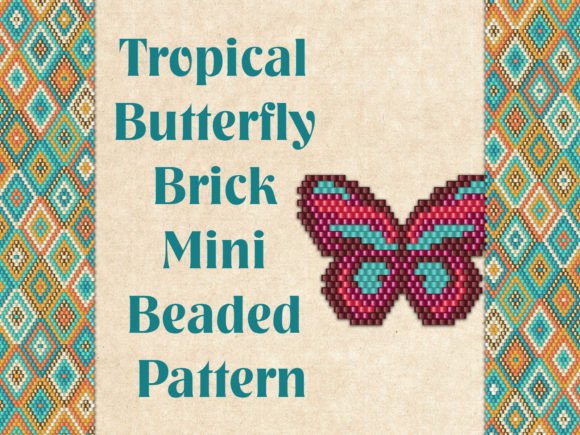
The allure of handcrafted jewelry lies in its ability to transform simple materials into wearable art. Among the most popular motifs for beaders is the butterfly, a symbol of transformation and beauty that translates beautifully into intricate beadwork. The Butterfly Beaded Pattern described here offers a sophisticated approach to this classic design, utilizing specific techniques and high-quality components to create pieces that are both durable and visually striking. Whether you are looking to craft unique pendants, elegant brooches, functional crochet markers, or distinctive accessories for bags, understanding the nuances of this pattern is essential for achieving professional results.
This particular design is rooted in the brick stitch, a technique favored by many beaders for its stability and ability to hold complex shapes. However, versatility is key in beadwork, and this pattern allows for creative adaptation. By rotating the chart 90 degrees, artisans can weave the same design using the peyote stitch. This flexibility means that beaders with different skill sets or preferences can tackle the project, provided they understand the structural requirements of either method. The resulting piece measures approximately 41.12 x 31.05 mm (1.61 x 1.22 inches), offering a substantial presence without being overly heavy, making it ideal for everyday wear or statement accessories.
Understanding the Technical Foundation
Before purchasing or attempting to weave this design, it is crucial to recognize that this is not a step-by-step tutorial but rather a technical blueprint. The pattern relies on a grid of 23 columns and 23 rows, requiring precision and attention to detail. The specified bead type is Miyuki Delica size 11/0. These cylindrical beads are renowned for their uniformity and smooth finish, which are critical when working with tight stitches like brick or peyote. Using lower-quality or irregularly shaped beads can lead to uneven tension, distorted geometry, and a finished product that lacks the crisp definition seen in professional examples.
A common mistake among beginners is underestimating the importance of bead quality. While it might be tempting to use cheaper alternatives to save money, the visual impact of a Delica-based pattern depends heavily on the consistency of the beads. Irregularities in size or shape can cause gaps or bulges in the fabric, ruining the symmetry of the butterfly wings. Therefore, investing in genuine Miyuki Delicas is not just a recommendation; it is a requirement for achieving the intended aesthetic.
Decoding the Digital Package
When you acquire the Butterfly Beaded Pattern, you receive a comprehensive digital package designed to support your creation process. Immediately after payment, you gain access to a ZIP archive containing two distinct file types: a PDF document and a BTP file. Understanding the purpose of each file is vital for a smooth workflow.
- The PDF File: This is your primary reference guide. It contains the large, detailed numbered graph of the pattern, which serves as the visual map for your weaving. Additionally, it provides a clear list of bead types, colors, and the exact quantity required. Knowing the precise number of beads needed beforehand helps prevent mid-project shortages and allows for accurate budgeting. The inclusion of column and row counts ensures you have a clear sense of scale before you begin.
- The BTP File: This file is specifically formatted for use with BeadTool4, a popular software program for beading design. If you wish to customize the pattern—perhaps by shifting color combinations to match your existing stash or adjusting specific details—the BTP file allows for easy editing within the software. This feature adds significant value, transforming a static pattern into a customizable template that adapts to your personal style.
Common Pitfalls and How to Avoid Them
Even with a well-designed pattern, errors can occur during the execution phase. One frequent oversight is ignoring the distinction between the brick and peyote stitch orientations. If you intend to use the peyote stitch, you must rotate the pattern correctly. Failing to do so will result in a misaligned structure that does not reflect the artist’s original vision. Take time to visualize how the rotation affects the flow of the wings and body before starting.
Another potential issue arises from color interpretation. Digital previews may vary depending on monitor settings, lighting conditions, and screen calibration. Colors that appear vibrant on one device might look muted or shifted on another. To mitigate this, rely on the color codes provided in the PDF rather than solely on the preview image. If possible, compare the suggested shades against physical samples of your beads to ensure harmony. This proactive step prevents disappointment upon completion and ensures that the final piece matches your expectations.
Furthermore, beaders sometimes rush through the initial rows, leading to tension inconsistencies. In brick and peyote stitches, maintaining even tension is crucial for the longevity and appearance of the piece. Pulling too tightly can cause the work to curl or pucker, while loose stitching may result in gaps where light shines through. Practice consistent tension throughout the project, checking periodically that the edges remain straight and the surface remains flat.
Evaluating Your Readiness
Before diving into this project, honestly assess your current skill level. As noted in the pattern description, you must have prior experience with brick or peyote stitch techniques. Attempting this design without foundational skills can lead to frustration and wasted materials. If you are new to these stitches, consider practicing with simpler geometric patterns first to build confidence and muscle memory.
Additionally, consider the end use of your creation. Are you planning to sell these items? If so, ensure that your finishing techniques meet commercial standards. Secure all thread ends properly, reinforce stress points, and add appropriate findings for pendants or earrings. For bag accessories or crochet markers, durability is paramount; double-check your knotting and thread choices to withstand frequent handling.
Final Thoughts on Creative Freedom
The Butterfly Beaded Pattern offers more than just instructions; it provides a framework for creativity. By leveraging the BTP file, you can experiment with color palettes that resonate with seasonal trends or personal preferences. Perhaps you want to mimic the iridescent hues of a morpho butterfly or opt for pastel tones for a softer look. The freedom to adjust the design within BeadTool4 empowers you to make the pattern truly your own.
Remember that beadwork is a meditative practice that rewards patience and precision. Take your time, enjoy the process, and trust in the quality of your materials. With the right preparation and attention to detail, the Butterfly Beaded Pattern can become a centerpiece of your collection, whether displayed as a brooch, worn as an earring, or used as a charming accent on your favorite bag. Embrace the learning curve, avoid common pitfalls, and let your craftsmanship shine through every stitch.